Features

Everything you need to plan and provision a sailing trip.

Built around real-world constraints: space, weather, crew, and resupply.

Start with trip basics. Refine later.

Workflow

Get a working plan first. Refine later if needed.

You do not need every guest response or boat detail to get started. Build the first version quickly, then tune it as the trip firms up.

  1. 1

    Set the trip basics

    Crew, duration, trip style, and the boat profile.

  2. 2

    Generate the first plan

    Victuo builds meals, shopping, drinks, and reserves together.

  3. 3

    Refine without restarting

    Swap meals, fold in preferences, and regenerate only what changed.

  4. 4

    Review the shopping list

    Check category totals, ingredient rollups, buy quantities, reserves, and storage pressure before you shop.

  5. 5

    Find relevant suppliers

    Search around the active marina, compare nearby options, and optionally send the shopping list for handoff.

A. Trip planning engine

Trip Planning Engine

Plans start with your real trip, not a generic itinerary template.

  • Trip setup covers crew, route, and boat profile together.
  • Behavioral profiles shape planning assumptions around how the trip actually runs.
  • Preferences are folded in early so the plan starts from the right baseline.
Outcome

Plans start with your real trip.

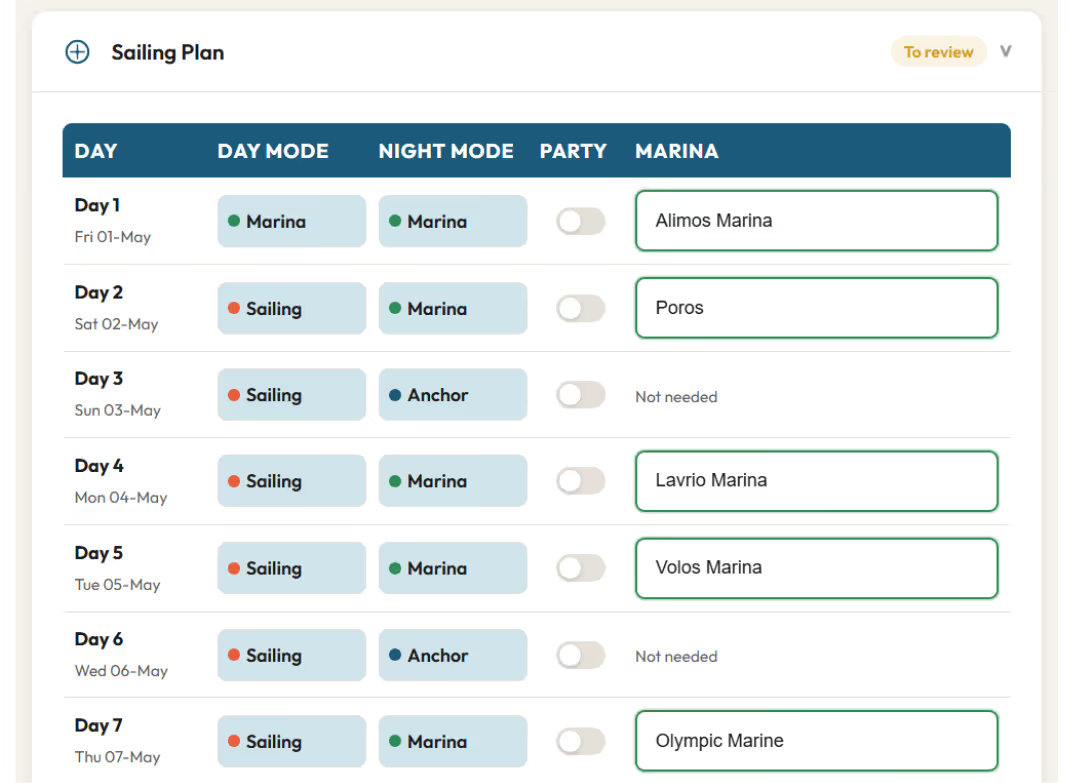
Sailing plan with day modes, night modes, party toggles, and marina stops

Sailing plan day modes and marina stops set the trip context

B. Meal planning engine

Meal Planning Engine

Meal planning is adaptive, not static, so daily choices stay practical onboard.

  • Meals adapt to weather and activity demands across the trip.
  • Archetypes like offshore, marina, and heavy sailing change what rises to the top.
  • Difficulty control keeps meal effort matched to the day and crew reality.
Outcome

Meals that work in real conditions.

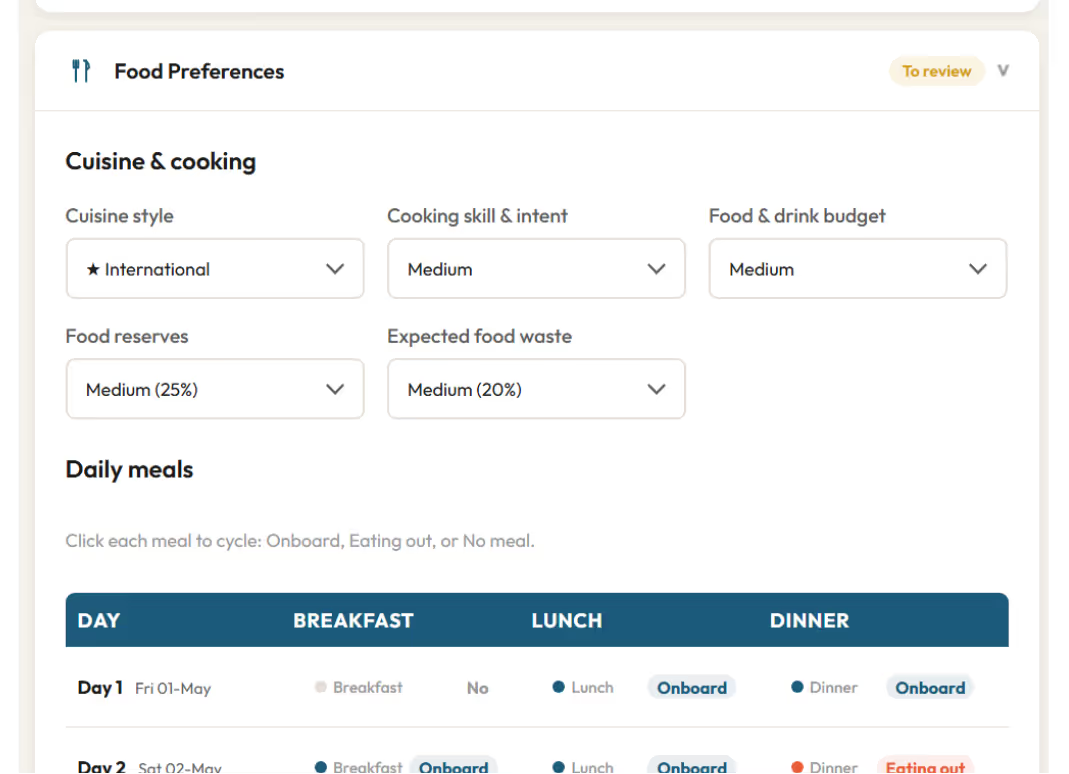
Food preferences and daily meal controls

Food preferences and daily meal modes steer generation

C. Provisioning engine

Provisioning Engine

Provisioning is built as a connected engine, not a shopping list generated after the fact.

  • Ingredient aggregation rolls the plan into real purchase totals.
  • Storage-aware planning checks fit before you buy.
  • Waste reduction and reuse logic help the plan stay efficient across the whole trip.
Outcome

Food that fits and lasts.

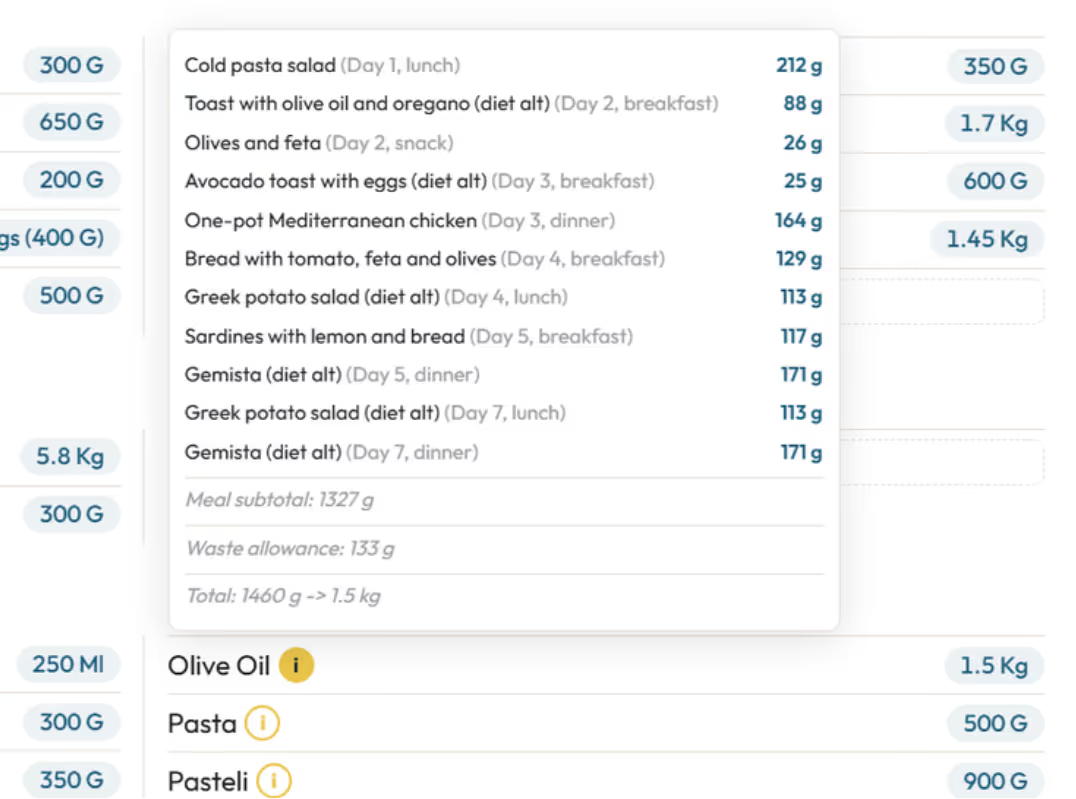
Shopping list with an ingredient quantity breakdown

Ingredient rollups explain exactly where each quantity comes from

D. Logistics layer

Logistics Layer

Provisioning is stronger when the product knows what is available and where.

  • Supplier discovery helps you see relevant options before departure.
  • Delivery options reduce last-minute coordination stress.
  • Resupply awareness supports smarter decisions along the route.
Outcome

Know what is available before you need it.

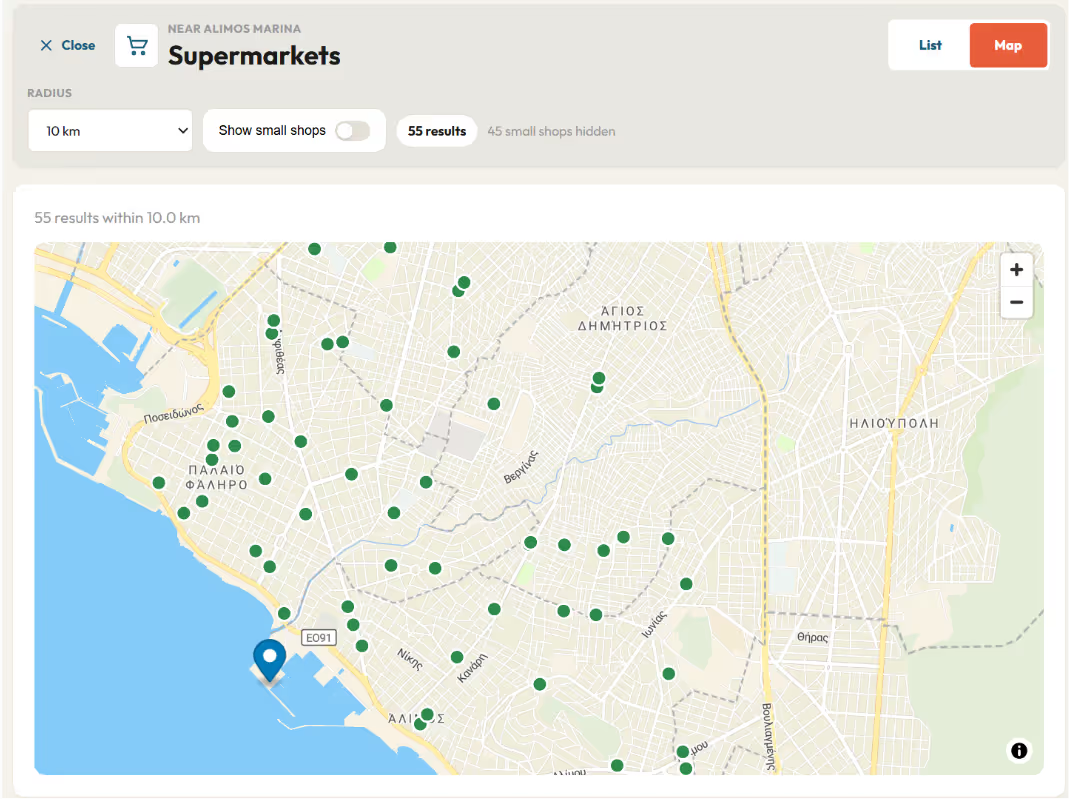
Supplier map near Alimos Marina

Supplier discovery stays anchored to the active marina

E. Execution tools

Execution Tools

The plan only matters if it helps you act quickly once it is time to shop and cook.

  • Shopping list and checklist tools turn the plan into usable execution steps.
  • Sharing with crew helps collect input and reduce coordination noise.
  • The workflow stays usable once you move from planning into action.
Outcome

From plan to action without friction.

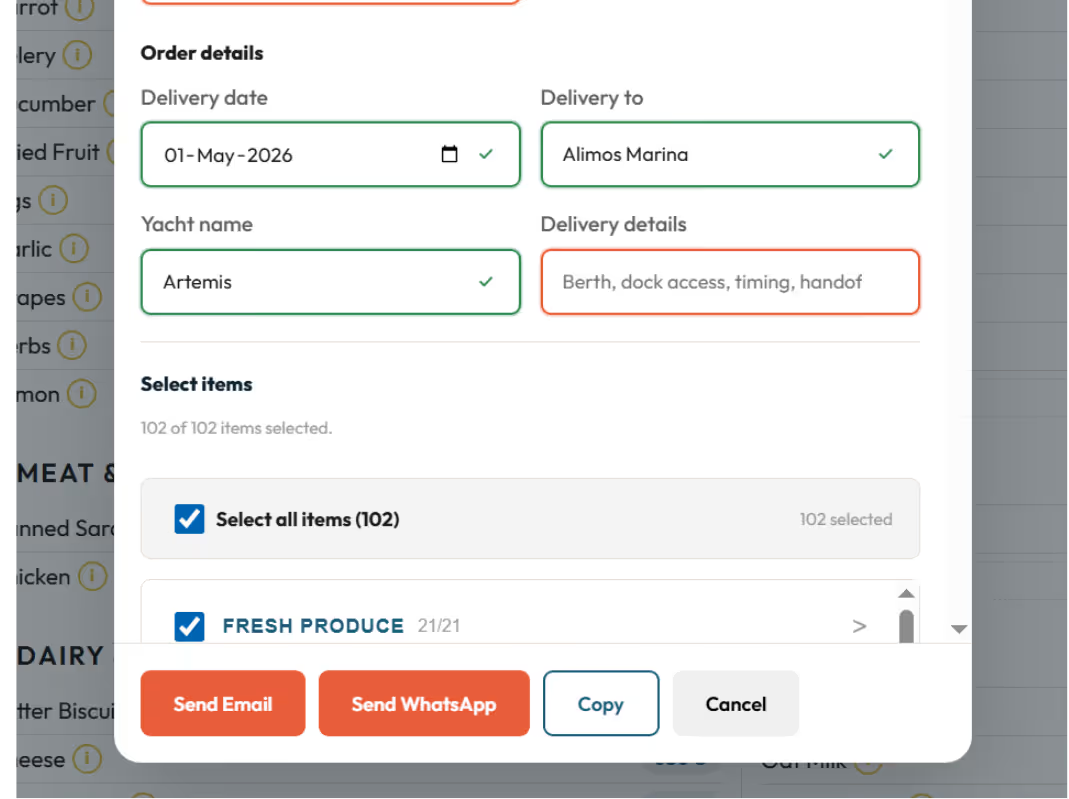
Send to supplier order details modal

Supplier handoff details turn the shopping list into an order

Have a trip in mind?

Start with trip basics. Refine later.

Start planning free
Method anchor

Grounded in public nutrition reference frameworks and cross-checked against offshore practice.

Victuo estimates baseline food and water needs using recognized dietary reference frameworks, including WHO healthy-diet guidance, EFSA dietary reference values, and U.S. National Academies Dietary Reference Intakes. It then adjusts for activity, climate, crew profile, passage duration, remoteness, storage constraints, and reserve buffers. Offshore checks are informed by World Sailing Offshore Special Regulations, US Sailing Safety at Sea and Safety Equipment Requirements, and preparedness guidance from the RYA, MCA, and U.S. Coast Guard.

Meal selection engine

A planning system built for real trips, not static menus.

Each layer reduces a different provisioning risk before meals, quantities, and logistics are turned into a working plan.

01

Trip context

The plan starts from the trip you are actually sailing, not a generic weekly menu.

  • Crew, duration, boat setup, and route shape the baseline.
  • Sailing style and day rhythm influence what is practical.
  • Onboard, ashore, and skipped meals are handled together.
02

Crew fit

Crew needs are treated as part of the plan instead of a note added afterward.

  • Diet identities and exclusions stay inside one trip.
  • Guest preferences can be collected and folded in later.
  • Compatible alternatives reduce separate-plan work.
03

Meal fit

Meals are matched to the day, the slot, and the practical reality onboard.

  • Breakfast, lunch, dinner, and snacks behave differently.
  • Demanding days can favor simpler preparation.
  • Selections balance comfort, effort, and variety.
04

Provisioning fit

The meal plan becomes a buying plan only after quantities and storage make sense.

  • Ingredients roll up into real purchase totals.
  • Storage pressure and perishability stay visible.
  • Reserve and waste assumptions stay connected to the trip.
05

Supplier context

Supplier and marina context helps the plan stay realistic before departure and along the route.

  • Relevant options can be found around the active marina.
  • Delivery and pickup context reduces last-minute coordination.
  • Resupply awareness supports better provisioning decisions.
06

Execution and change

The plan stays usable when it is time to shop, share, cook, and adjust.

  • Shopping lists and checklists turn the plan into action.
  • Supplier handoff helps move from list to order.
  • Swap, lock, and regenerate flows avoid restarting.

See it work on your trip.

Start with trip basics. Refine later.